A little while ago, I realised that I had a bit of a challenge on my hands when it came to my eBay reselling business… I wasn’t sourcing stock at the kind of volume that I needed to really ramp up my listings and profits.
Charity shops and car boot sales can be great places to find bargain bits of clothing that you can quickly flip for a profit, but there are good days and there are bad. Sometimes, I come home with bags and bags of stuff to resell. Other times, I’m out all day, I’m in more charity shops than you can shake a big massive stick at, and I come home practically empty handed. It’s just the nature of it.
So I started looking into the possibility of buying vintage wholesale clothing. It’s a pretty simple premise… You buy big boxes of items, you pay by the weight, and then you sort it all out, list it, and hopefully take home a decent profit margin.
What I will say here is that I already had a burgeoning interest in vintage clothes. I was most definitely NOT a massive expert on the subject, by any means, but I was willing to learn. The thing about buying vintage in this way is that it’s a huge learning curve, and you’ve really got to immerse yourself into the process and everything that goes with it.
If you’re not actively interested in vintage fashion? In all honesty, I’d suggest giving the idea of buying wholesale vintage to sell on eBay a very wide berth. Because otherwise, you’re going to end up with a house full of old clothes that you need to do a load of work with, and you’re probably going to lose the will to live. There are a ton of other options for buying in bulk.
But if you’re seriously considering going down this route, and you’re up for the challenge? Then I’ve created this guide for you. This is what I learned, and what I wish I knew from the beginning…
THERE’S A TON OF SUPPLIERS AND OPTIONS TO CHOOSE FROM – PICK UP THE PHONE
I found my supplier through a top secret industry contact, that goes by the name of GOOGLE. No, but seriously. I had no contacts and no real clue how to find a decent supplier, so I had to do my own research and try to work out my best option. You’ll find a load of choices, and most of the websites will give you details about what they’ve got available, the pricing, and so on.
Now usually, you can pay per piece, or you can pay per kilo. Buying by the weight works out MUCH cheaper, but it also often means that you’ll be buying UNGRADED vintage clothes. Grading is all about the condition, and the exact terminology varies from one supplier to another. Generally though, the best stuff will be referred to as ‘Grade A’, or ‘Cream’, and items like that should be pretty much ready for you to list straightaway, with no rips or stains to worry about. Buying ungraded means it’s a bit of a gamble, and you’ll almost definitely have items in there that just aren’t saleable.
Typically, there’ll be a minimum order value of about £200, and you’ll make some level of selection around what you want. So you might choose to get a mix of ladies sequinned jackets, and mens winter cardigans, just for example.
If you live local to a supplier, then you can often arrange to go along and handpick your own items, so you know exactly what you’re getting. The nearest wholesaler to me is a few hundred miles away, so it was most viable to just buy in bulk and take that risk.
What I would advise though is picking up the phone and speaking to a few suppliers. I rang one of my shortlisted suppliers up with a couple of questions. They were helpful, and it also transpired that the details on their site weren’t completely up to date. They emailed over a list of what they had, and also a different price list. Bizarrely, that was about 40% cheaper than the prices quoted on the site – so I’d instantly saved a chunk of cash.
But the bottom line here is that you’re spending a sum of money here that isn’t insignificant, and it should be an investment for your business. You’ll probably want to avoid sounding like a total newbie, but don’t be scared to ask questions about their grading process, or anything else that you’re not sure about.
WHAT I RECEIVED, AND A LESSON LEARNED THE HARD WAY…
So I ordered 50kg in total, and I chose a mix of winter dresses, cardigans, and a selection that had been described as vintage pieces from a particular and very famous and prestigious designer label. Everything arrived a few days later, and I was dying to dive into the boxes and check out what I’d received. (Side note here – 50kg is A LOT OF CLOTHES – probably way more than you’re initially imagine. I’ll happily admit that I did briefly panic that I’d bitten off way more than I could chew).
Paying less than £100 for an absolutely gigantic box stuffed with items from that designer seemed a bit too good to be true. And it was. There were about 60 pieces in that box, and they most definitely were NOT vintage, nor were they designer. At least 80% of the box were modern knock-offs. Bad quality, shoddily sewn labels, and even a few pieces where a ‘designer’ tag had been stuck on top of a high street label.
Obviously selling counterfeit goods is illegal, and even though there was a small handful of items that might have been genuine, I knew that there was absolutely no way that I could take a risk with selling any of it. I got back in touch with the supplier, and after a little bit of stalling on their behalf, they agreed to giving me a full refund. (When you’re buying by the kilo, there’s usually a no-refunds policy, but any reputable vintage suppliers should absolutely waive that if this happens – mistakes happen and stuff can slip through the net when you’re dealing with that volume of stock – but selling fake designer goods is against the law, whether you’re an eBay seller or a wholesaler).
This whole debacle did put a bit of a downer on things. There’s nothing quite like having your house jam-packed with stuff that you can’t legally sell to make you wonder what the bloody hell you were thinking.
But by the time that box made its way back to the supplier, I was getting stuck into listing all the viable items. Like I’ve said, you absolutely WILL get some stuff that’s stained or ripped when you’re buying ungraded. Some things were beyond repair, some just needed a little TLC – like sewing on a button – but I’d estimate that at least 70% of the stock was saleable. That was a number that I was pretty happy with. It’s probably worth noting here that a lot of it had a musty smell, so quite a few days were spent airing things out and going through a LOT of Febreeze.
Here are a couple of examples of items that I went ahead and listed…
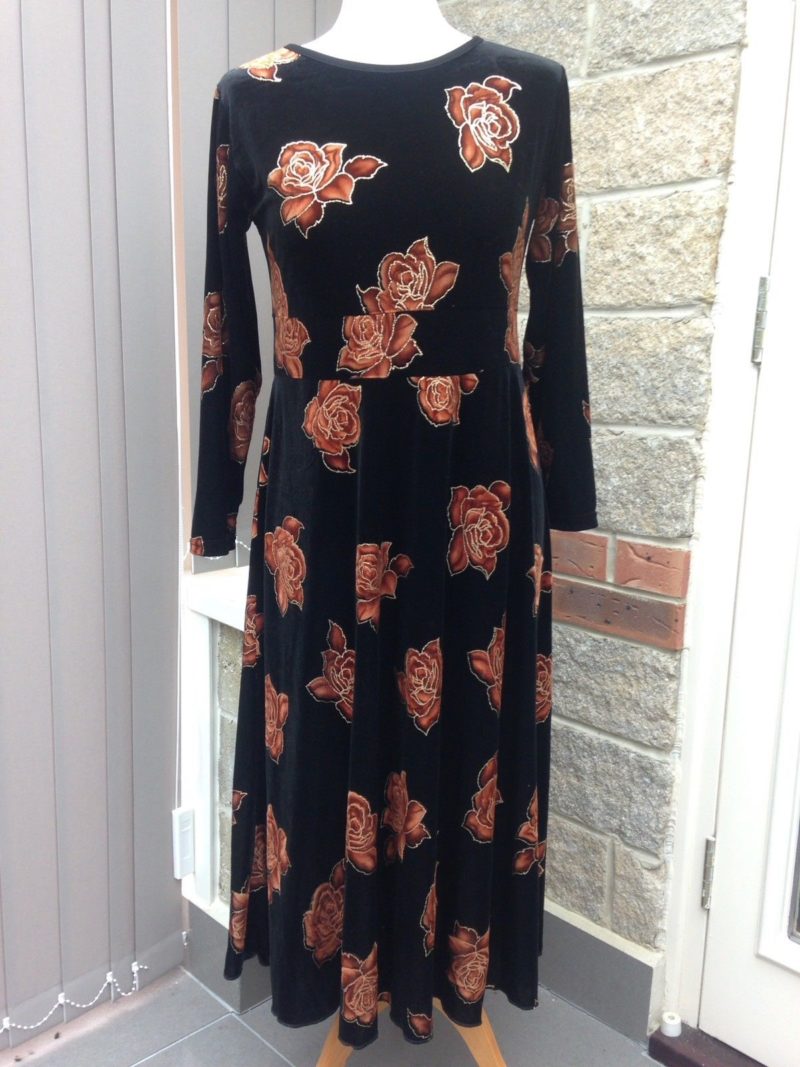

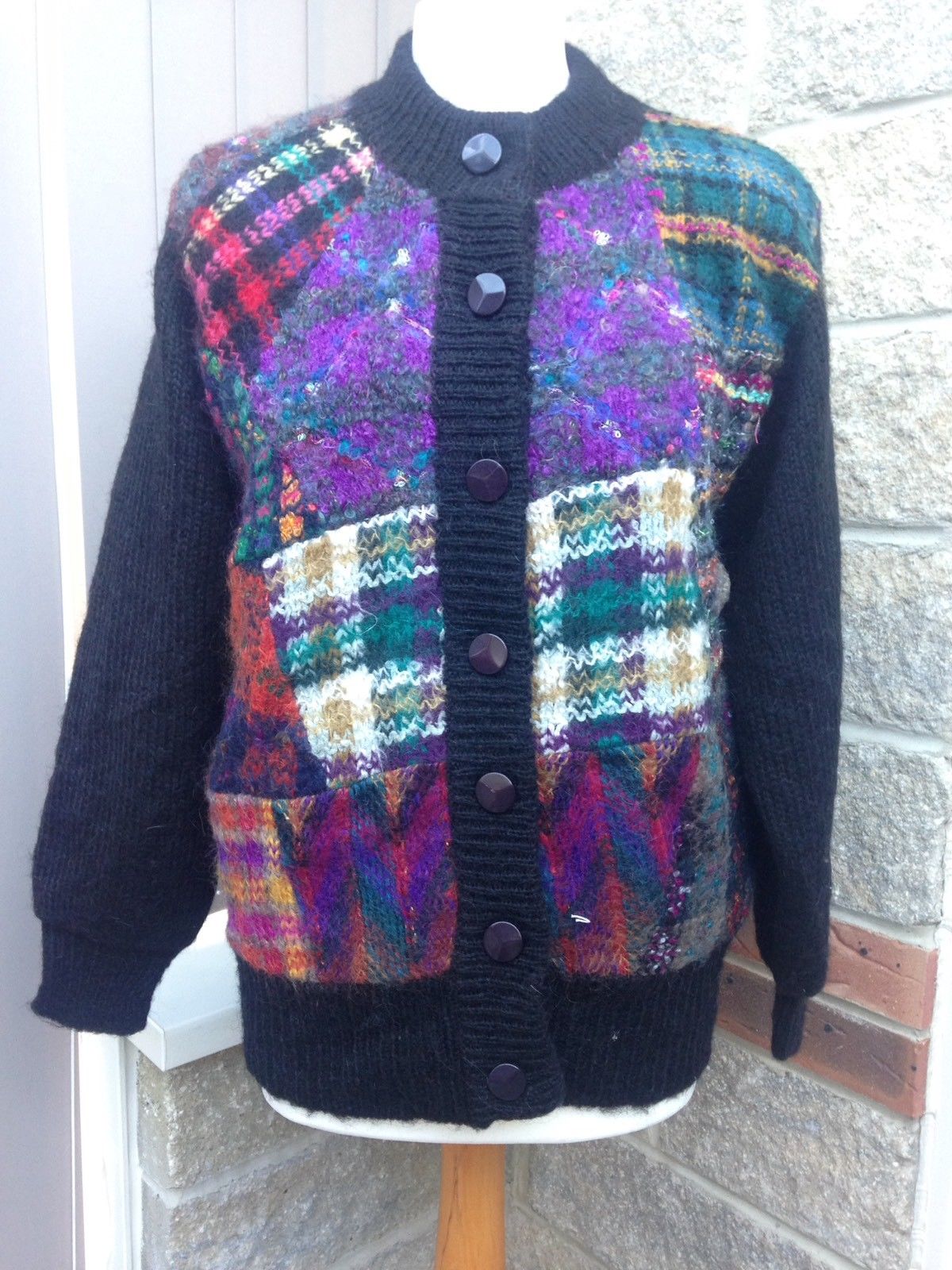
…And they’re not the best things, nor are they the worst. They’re a pretty accurate representation of the general quality of the stock I received.
THE CHALLENGE OF SIZING VINTAGE
Modern clothes obviously have sizing labels that pretty much everyone can understand. That’s definitely NOT the case with vintage. Some items won’t have labels at all, and the ones that do won’t necessarily be in line with today’s sizes. If you just go by the label, you’re going to end up with a ton of returns on your hands.
So your next job is to measure everything up and determine what sizes they actually are. I used a sizing chart from a high street store, but there’s also a bit of guesswork involved. A dress that’s the kind of style that would be intentionally tight fitting on a size 16 might have measurements that aren’t too different to a looser designed dress for a size 8. So yeah, it’s a minefield, and it’s not an exact science. Of course, make sure that you also include the measurements in the listings.
CHOOSING KEYWORDS, AND HOW TO DESCRIBE YOUR ITEMS
By the time you’ve sized everything up, you’ll be realising how much simpler it is to list modern clothes. The hard work ain’t over yet, because you’ve now got to decide what on earth you’re actually going to call these items in your eBay titles. Some will have labels attached from the original maker/designer, and that makes things a bit easier, but some also won’t.
It’s worth bookmarking Vintage Fashion Guild. They’ve got a load of resources on things like labels and fabrics, and that can definitely get you off to a good start. I’ve also created a board over on Pinterest with some other useful guides I found along the way for creating titles and pinpointing the era of items.
Once you get into this task, it’s really easy to find yourself down a rabbit hole. I did quickly realise though that getting too fancy isn’t necessarily going to help you to sell more stuff.
The aim is this… You want to give your potential buyers accurate information, and you want to use keywords that are actually going to get your pieces in front of the right people. Is someone actually going to be searching for that obscure sleeve type that it took you half an hour to identify, or are they just going to be looking for a size 16 pink dress from the 80s? There are no hard and fast answers, but don’t make life harder than it has to be. And remember that you can always go back and tweak your titles once you see how much traffic they’re driving to your listings.
KNOWING YOUR NUMBERS – HOW MUCH MONEY ARE YOU GOING TO MAKE?
All this talk of sorting and sizing and picking your keywords is a vital part of the process, but let’s not lose sight of the wood for the trees here. How much money can you really make from buying wholesale vintage to sell on eBay? As much as I’d love to give you an exact formula or even a ballpark figure, it’s just impossible.
There are so many variables at play, from the quality and style of the items you receive (remember that’s always a bit of a gamble), to how much you paid for them, to how much time everything takes you (that needs to be factored into things too), and even how sharp your listing and photographing skills are.
You can’t really assess any of this meaningfully until you’ve paid your money, and you’ve got your items. You could end up with a load of gems. Or you could end up with a load of rubbish. I’d never suggest trying out buying wholesale vintage to sell on eBay unless you could afford to essentially lose the money you’ve paid. That’s a worst case scenario, and it’s very unlikely to happen, but it’s worth building up a pot of cash from eBay sales so you can invest it back into more stock, rather than rushing into this before you’ve found your feet.
Setting prices for your vintage pieces can be tricky, because the nature of it means that you’ll often struggle to find comparable pieces in completed listings. So here, it’s a bit more guesswork and trial and error, and carefully scrutiny of your profit margins. In the end, I paid around £4 per piece (though remember this would have been less if all of the items had been saleable), and my overall aim is to 3-4x the initial investment I made, after eBay fees and associated costs.
WILL I DO IT AGAIN?
Despite the challenges associated with buying vintage, for the most part I really enjoyed the process too. I love how unique some of my pieces are. I love having that extra element in my eBay store. And if I did again, I’d no doubt be much quicker with the sorting and listing process, because I’ve now got a system and resources that just make things easier.
What I’ve definitely found is that buying in bulk is a brilliant way to get your listings up fast, and it takes off the pressure of knowing that you have to hit the streets each week to source stock. The profit margins are slightly lower than what I like to aim for, and vintage, in my experience at least, isn’t the fastest of movers. I wouldn’t rely on it completely for my eBay business, but it’s an option that I’m pleased I’ve tried, and I’m grateful to have in my toolkit of options.
So will I do it again? Right now, I’m trialling some different wholesale routes, in the interests of constantly learning and evolving my approach for maximising profits. But I won’t be ruling out buying more vintage in bulk in the not too distant future.
Want to read more about reselling on eBay? Check out these posts:
- Four Reasons Why Your Stuff Isn’t Selling On eBay (And How To Fix It)
- Why Reselling Clothes On eBay Is One Of My Favourite Ways To Make Money Online

Leave a Reply